

The term "second bloom" carries both botanical and figurative meanings. In nature, it refers to flowering that unfolds later in the year when the plant comes to life again, appearing with fresh vigor and beauty. In a figurative sense, the concept symbolizes new beginnings, renewal, and the rediscovery of old values in a new context. The exhibition explores precisely this parallel: how we can find new life in the symbols and objects of the past, while reflecting on the challenges of the present.
Barna Erdész's opening speech.

I always find a hint of melancholy and a large dose of hope in the term "second bloom". Sándor Petőfi's lines from his poem "At the End of September" come to mind at such times:
"Still in my young heart the summer of fiery rays,
And still in it blooms the whole springtime."
In nature, a second bloom means that something – after an initial cycle – gathers strength once more and blossoms again. It is not the first, obvious spring, but a more conscious, perhaps more fragile, yet all the more valuable renewal.

As I was thinking about my opening speech, I realized that I didn't want to delve into a deep art historical analysis – I'd leave that to those more competent than me – and instead, I wanted to share a personal perspective and a few thoughts with you all today. Simply because I've had the pleasure of following Gábor and Stella's work for a while now, and for me, what has always been most important about their art is their extraordinary sensitivity to what is happening around us, which is why I feel so close to their creations.

As time goes by, I also increasingly think about how the world I experienced as a child – in the eighties and nineties – which I felt was safe, or at least more predictable, no longer exists today. This sensitive fracture often appears in Stella's work. The motif of the flower, the world of folk songs, the promise of spring – and yet there are also the titles: Unreceived Flowers, or that subtle uncertainty that perhaps the same sun no longer shines in the sky as it once did. Here I'm thinking that my son will not experience the "more innocent" version of the world that I knew, but perhaps it's only our focus, our perspective, and with it, ourselves, that have definitively changed.

Gábor's works, on the other hand, raise similar questions, but in a different way. He builds from found objects, elements evoking the past, carving, charring, shaping: as if the work of time and erosion becomes visible in the material itself. Gábor's task is not made easier by the fact that through my gallery and me, he works in a niche, the field of collectible design, which is an interesting cross-section of design and fine art, and the value of the creation is not given by the function of the object, or even its aesthetics, but by the tension between the two.

And as I look at these works, it often occurs to me that perhaps it’s not only nature that is eroding around us. The digital world we live in offers incredible opportunities, but at the same time, it also erodes our personal relationships. Slowly but surely, we become alienated from each other; it’s increasingly difficult to rationally decide what is real and what is mere illusion, leading us by the nose. That’s why I find Stella’s and Gábor’s artistic gestures, which reach back to the analog world, so important. To the material. To handmade objects and traditions. To the knowledge passed down through generations.

Now, of course, younger people might think: what is this boomer talking about? Although I’m a "Y" generation, it’s worth noting here that the symbol "Y" has always symbolized choice in human history. I understand them completely. At their age, I also listened to the advice of elders with exactly the same suspicion. I probably don't even need to quote the classic phrases.
Back then, for me, these phrases belonged roughly to the same category as instruction manuals or tax returns: certainly important, but somehow I didn't want to deal with them at the moment. But I ask you, is it certain that the real knowledge accumulated by previous generations would be useless? Could it be that they had – and still have – knowledge from which we could also learn and experience a second bloom, be reborn, so that with renewed strength and new experiences we could rise to a higher level?

Perhaps the most important thing is not always to contradict each other immediately, but to sometimes pause and try to look at the world – and each other – a little more attentively, rationally, and empathetically.
This is precisely why I consider the joint exhibition of Stella, Gábor, and Printa to be important, and why the mindset represented by Zita and the Printa team is so crucial. It’s a place where design, art, and sustainability are not just buzzwords, but a genuine philosophy.
We live in an increasingly fragile world. Perhaps that is why we should protect it with art, using more and more means.
With attention.
With remembrance.
With respect for materials.
And by trying to rediscover genuine connection with each other.
Let this be OUR second bloom!

–
Our exhibition titled "Másodvirágzás / Second Bloom" can be viewed until April 17, 2026.
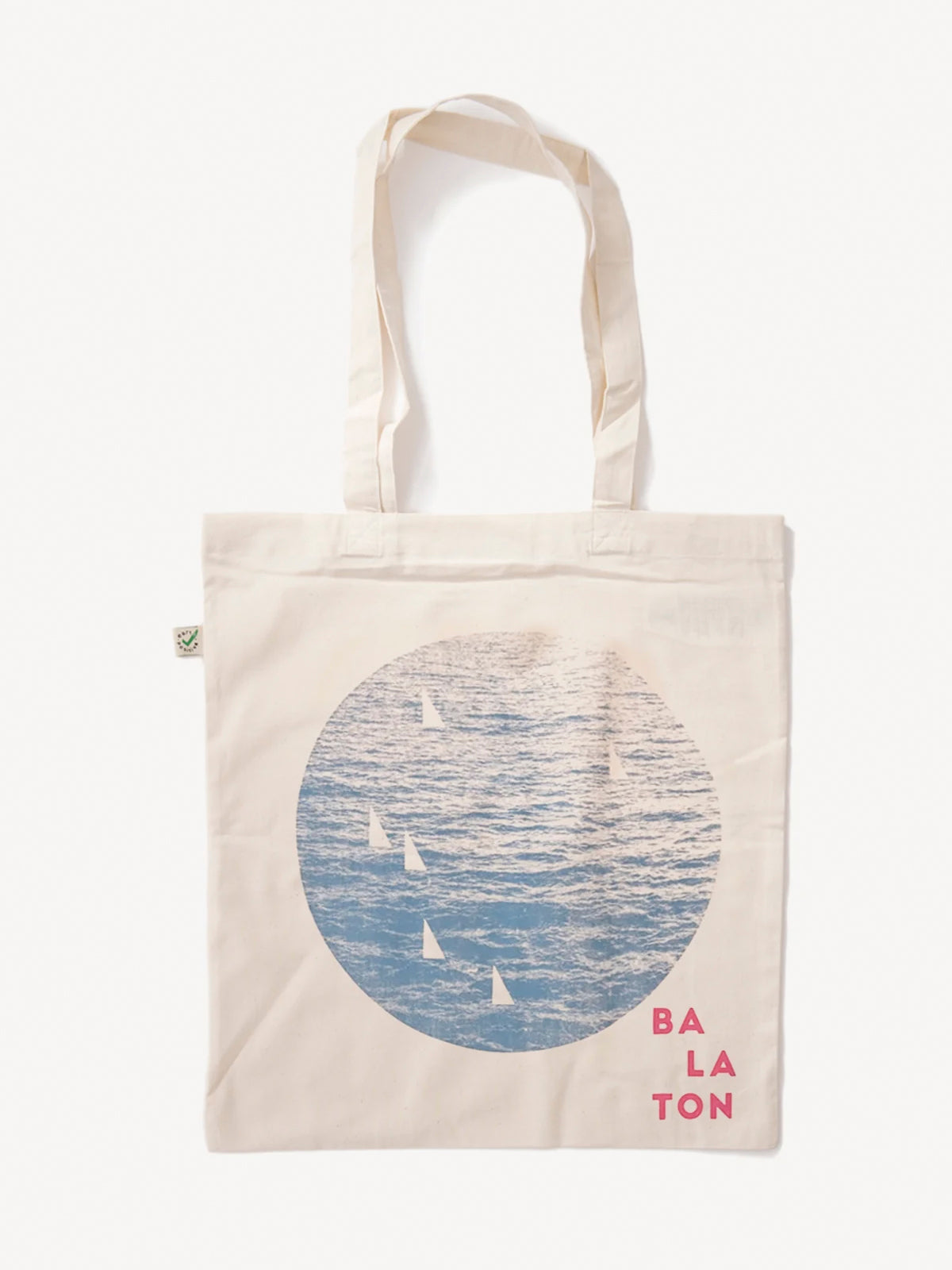
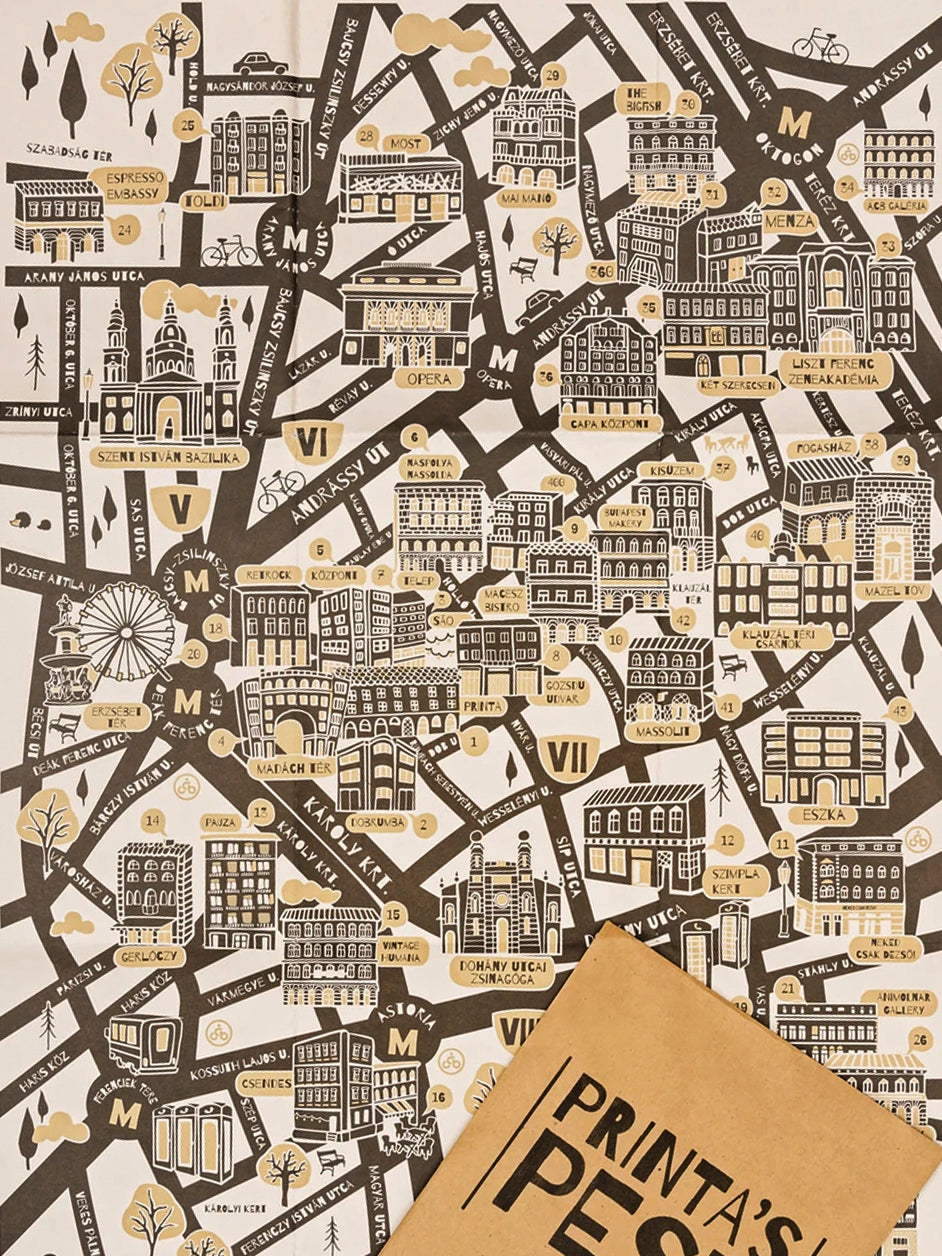
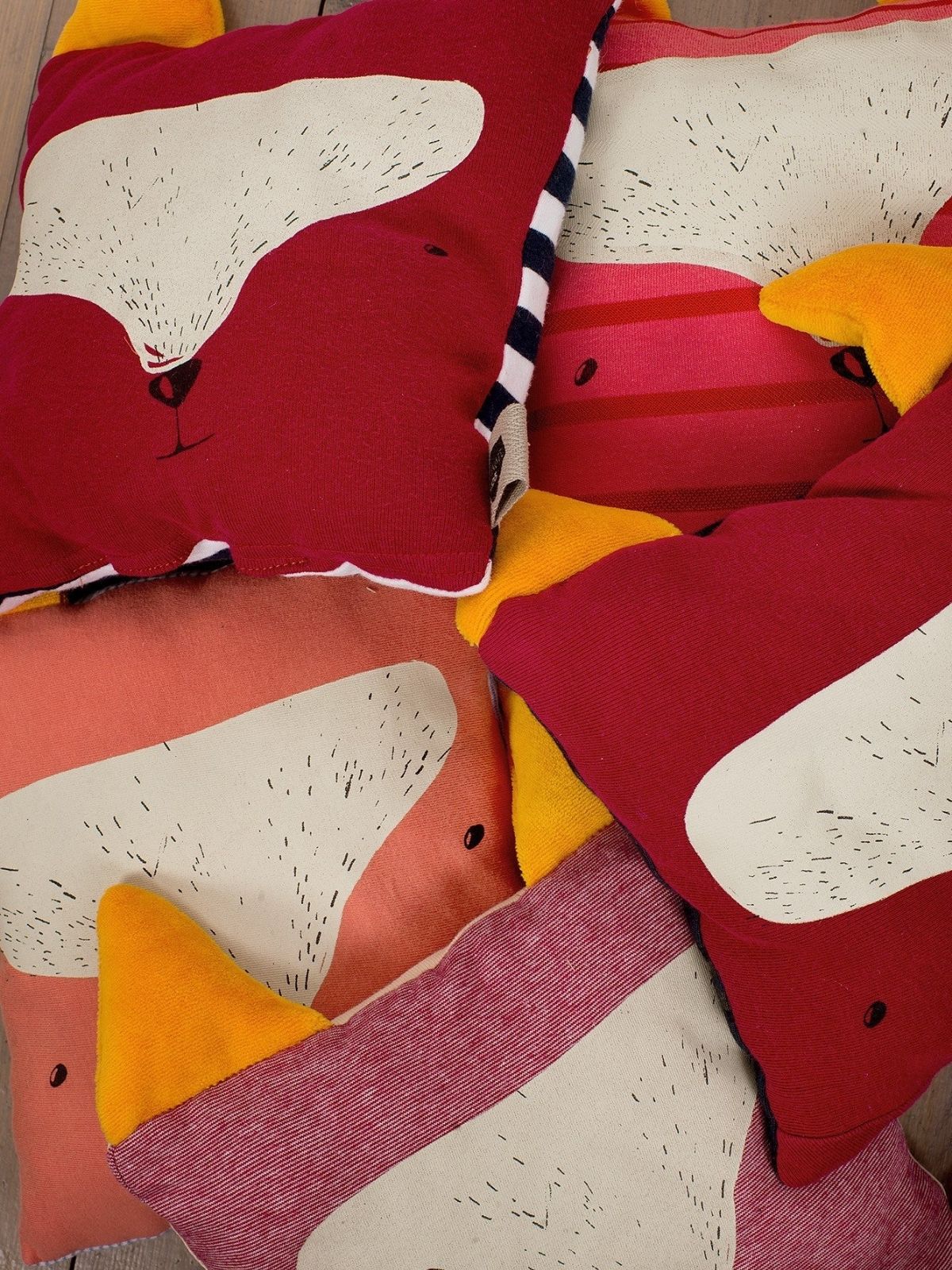
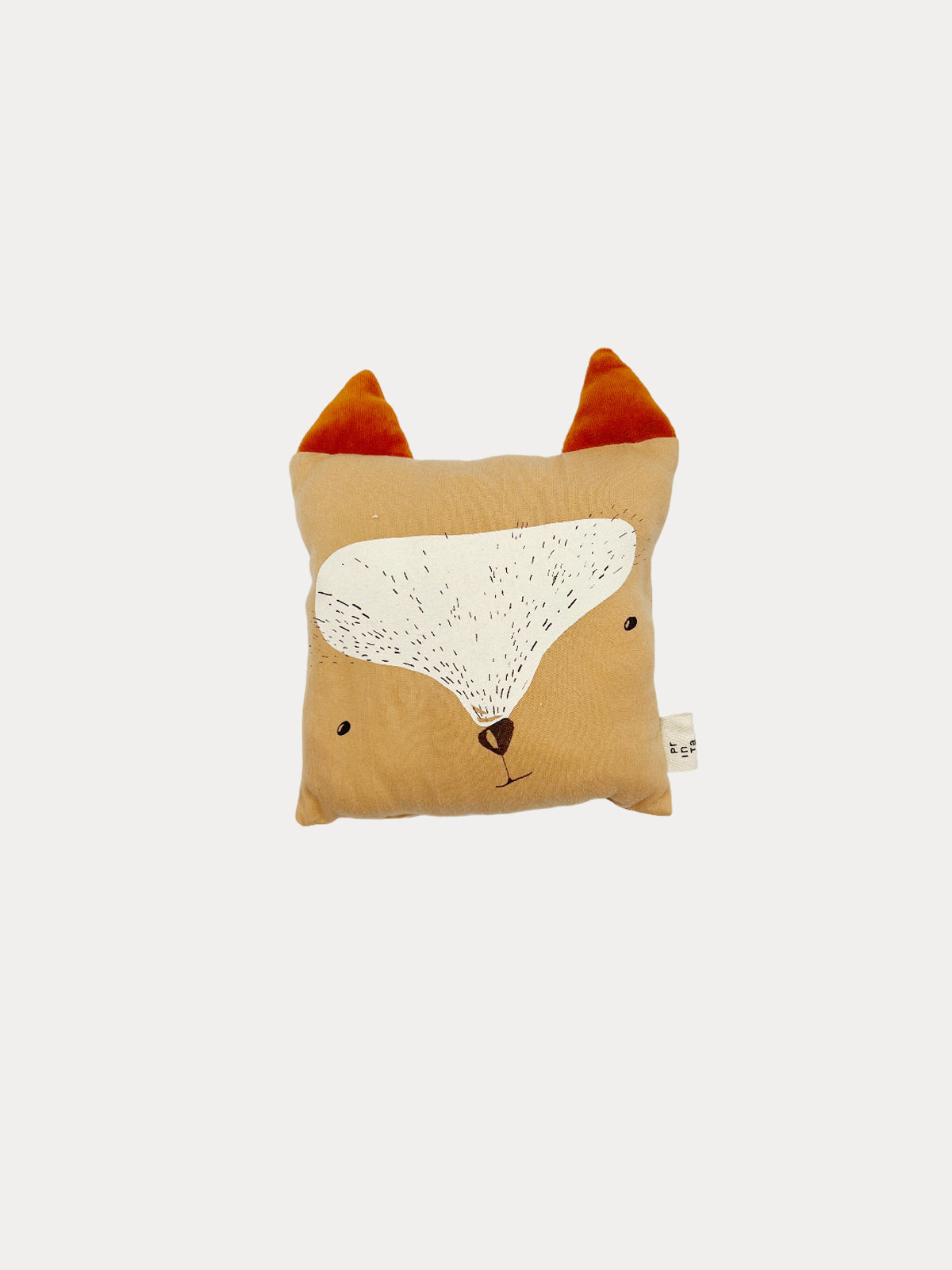
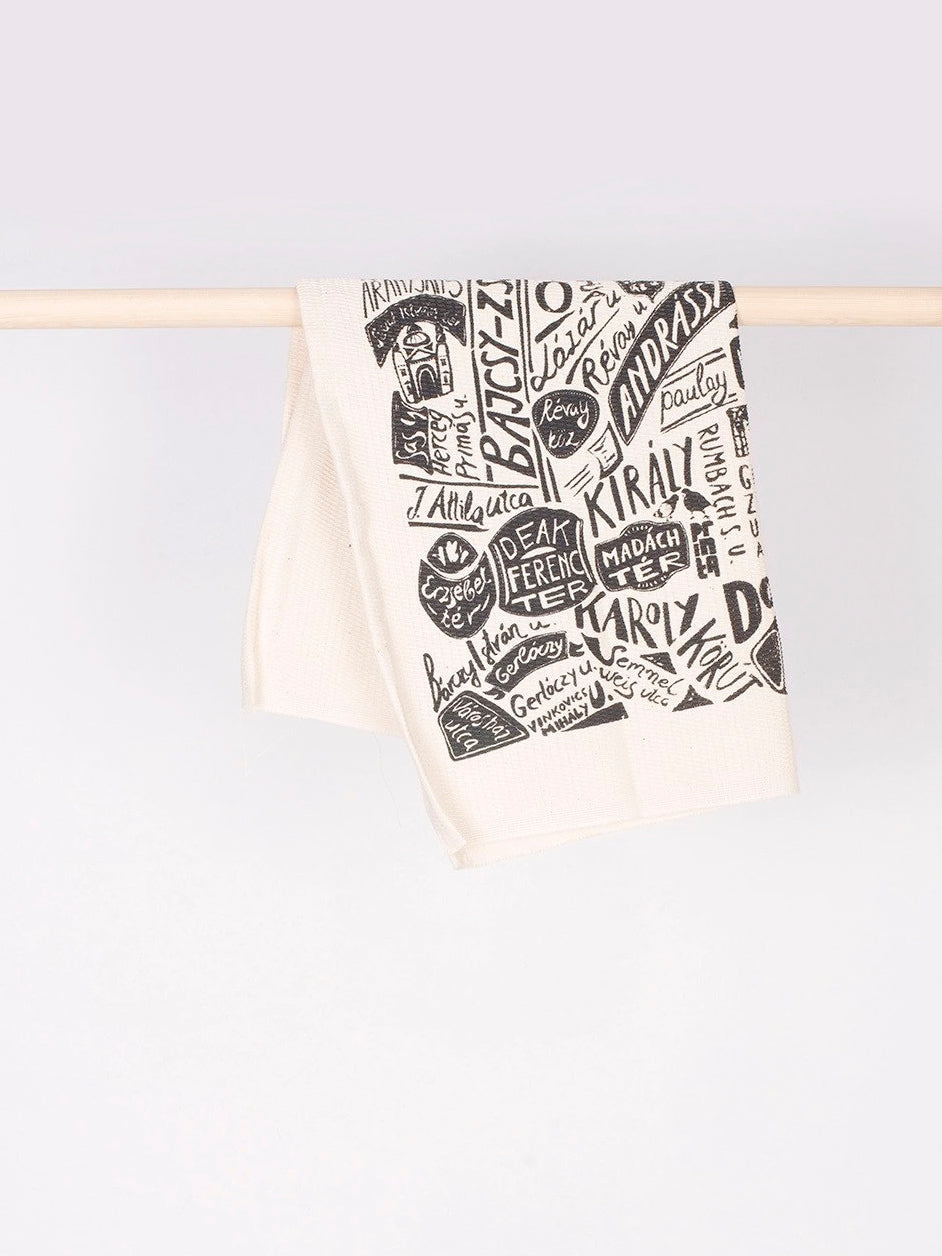
The garments and screen prints created as part of the collaboration are available here.